

Inside the Booming Market for Heirloom Investments

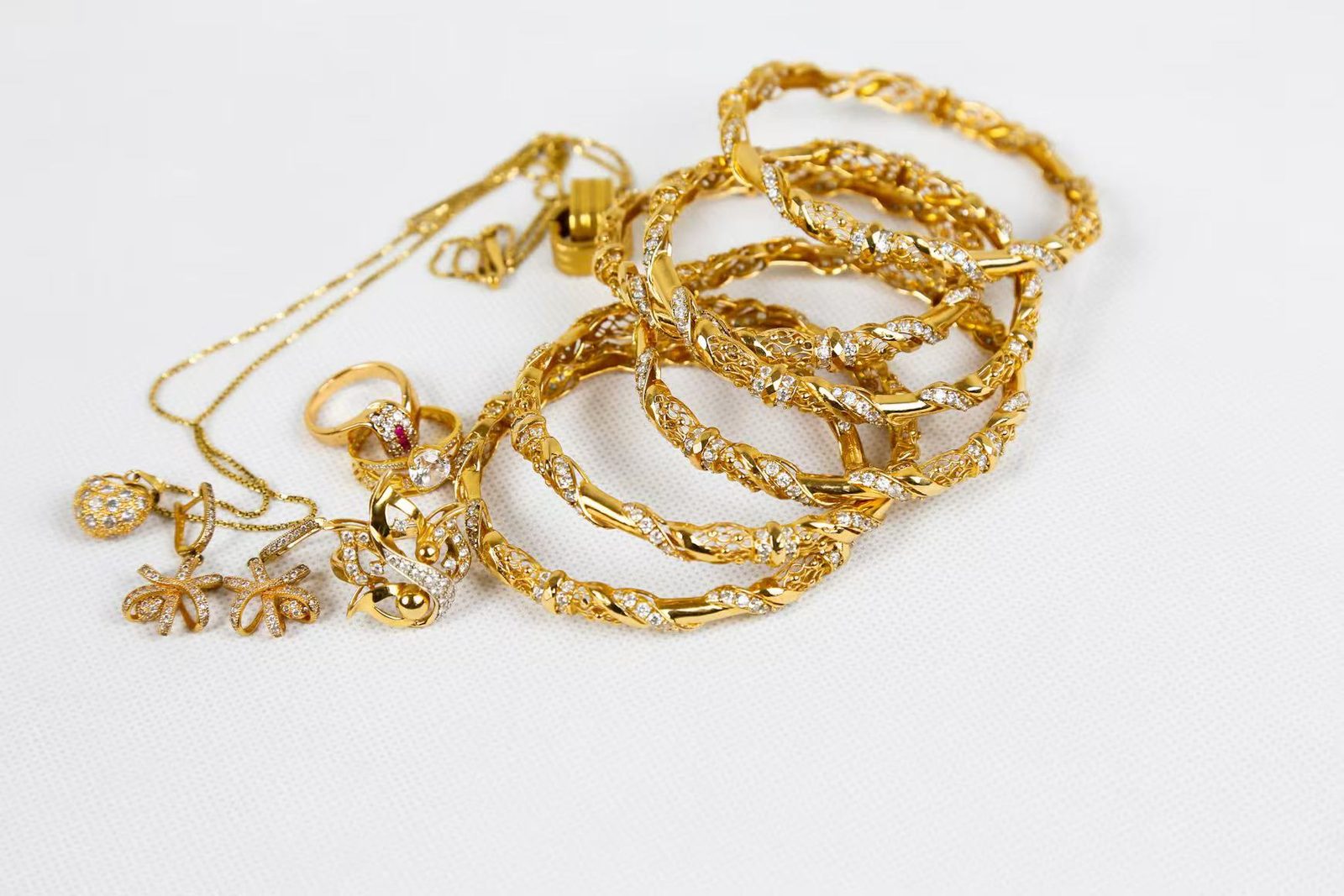

Fine jewelry has become an increasingly appealing store of value for families who want assets they can wear, enjoy and eventually pass down. Unlike items that lose relevance after a few seasons, well-made gold pieces can remain useful for decades. Their value may come from several sources, including precious-metal content, craftsmanship, design and family history. That combination has helped heirloom jewelry earn a place in conversations about long-term wealth alongside more conventional financial assets.
Generational Wealth and Wearable Assets
Generational wealth can include property, businesses, financial accounts and physical possessions with lasting value. Including hard assets in a generational wealth plan can add variety to a family’s broader financial picture.
Fine jewelry has an unusual advantage within that category: it can become part of everyday life. A gold necklace given for a graduation might later mark a wedding, anniversary or other milestone before passing to the next generation. Keep the receipt, original packaging and any records describing the materials. Those details give future owners a clearer understanding of what they have inherited.
Think about liquidity and maintenance as well as sentiment. Jewelry may be easier to divide or transfer than some larger assets, but its resale value can differ significantly from its original retail price. Periodic appraisals, secure storage and appropriate insurance can help preserve both the physical piece and an accurate record of its current value.
Why Tangible Gold Outlasts Speculative Assets
Gold has been valued across countries and centuries, though its market price still rises and falls. A piece of handcrafted gold jewelry carries material value while also offering practical and emotional value. It can be worn for years, repaired by a qualified jeweler and redesigned if the owner’s taste changes.
Speculative collectibles often depend on short-lived demand or a small group of buyers. Fine gold pieces have a more widely recognized underlying material, which can make them easier to evaluate. Still, retail price and resale value aren’t the same. Labor, gemstones and design affect the original cost but may receive different weight in the secondary market. Check the gold purity mark, request an itemized description and ask how gemstones were graded before purchasing. Treat jewelry as one part of a varied asset plan, not a guaranteed source of profit.
The Role of Provenance in Modern Value
Provenance is the documented history of an object. For heirloom jewelry, that history might include the maker, purchase date, materials, previous owners and occasions connected to the piece. Clear records can support an appraisal and make future insurance or estate discussions easier.
Create both a paper file and a secure digital copy for each significant item. Include detailed photographs, receipts, appraisals, certificates and repair records. Add a short note about the piece’s family history, such as who first owned it and when it was given. Avoid relying on memory alone because key details can disappear within one generation. Refresh professional appraisals periodically, especially after major market changes or alterations. If a ring is resized or a stone is replaced, save the jeweler’s written account of the work alongside the original documents.

Make sure the documentation stays connected to the correct piece. Photograph identifying details such as hallmarks, maker’s marks, engravings and distinctive settings, then give each item a simple reference number that appears on its appraisal and digital file. This can reduce confusion when several similar pieces are stored together or when an estate is eventually divided among family members.
Building a Multi-Generational Collection
Start with a small number of pieces that suit real life. A durable ring, bracelet or necklace is more likely to build meaning if someone actually wears it. Choosing timeless jewelry with long-term value can also make it easier to build a collection that remains relevant enough to pass down rather than feeling tied to one short-lived trend.
Examine clasps, settings and links closely, then arrange routine professional inspections to catch worn components before they fail. Collection planning should also address ownership. Good estate planning for precious metals can help clarify documentation and transfer instructions for physical assets. Record where each piece is stored and identify its intended recipient in the appropriate estate documents, using guidance from a qualified local professional.
Talk with family members before assigning important items. One person may treasure an emerald ring while another prefers a simple gold chain. Those preferences can shape a collection that future owners will genuinely use. The strongest heirloom may be the piece whose paperwork is orderly, construction remains sound and personal story is still known when the box changes hands.

